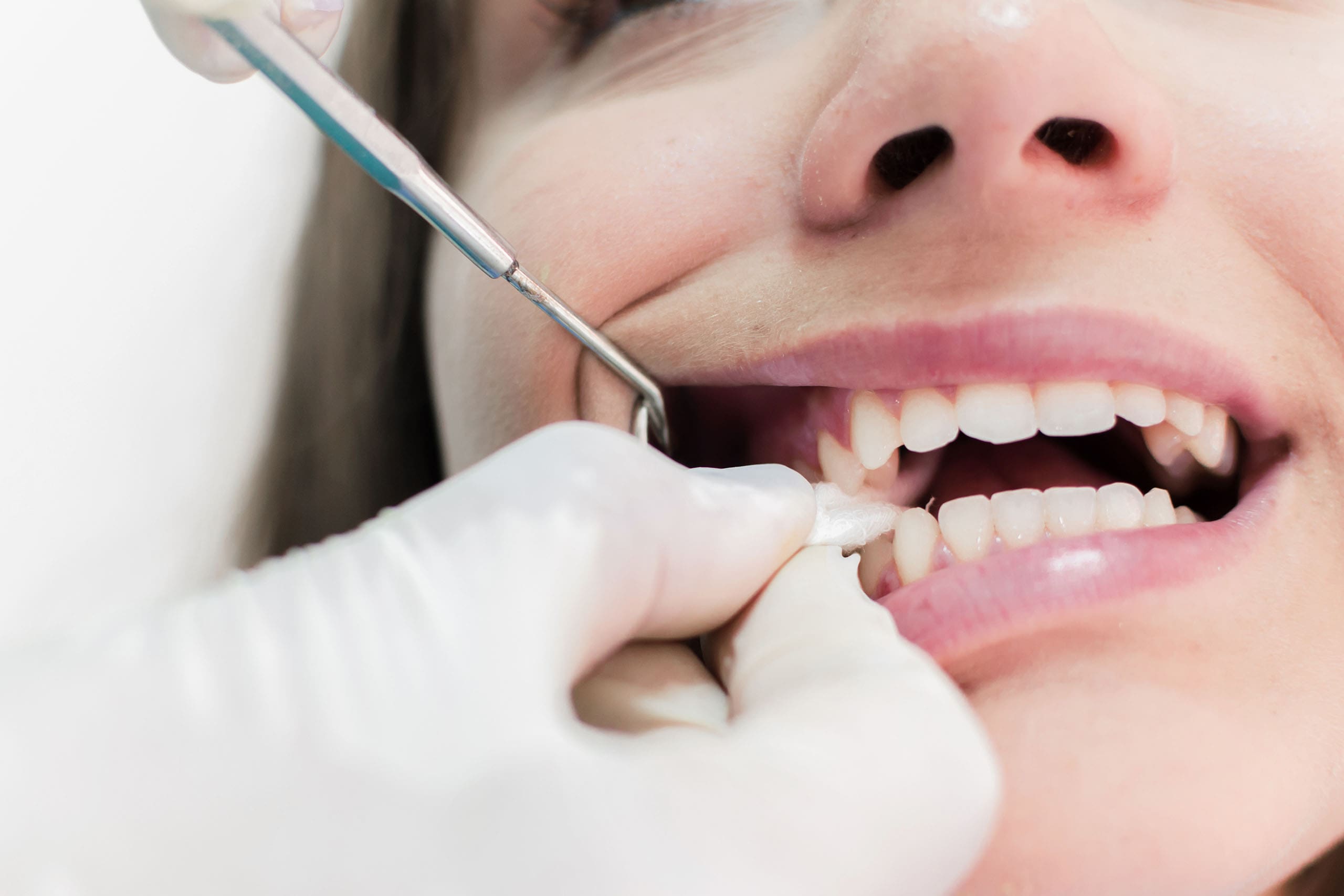



Finding a black spot on your tooth can be alarming, but it does not always mean you have a cavity. While tooth decay is one possible cause, there are several other factors that can create similar-looking dark spots.
With two convenient locations in Summerville, Deaton Dental Associates and Flowertown Dentistry provide comprehensive dental care for patients of all ages.
Table of Contents
What Can Cause a Black Spot on a Tooth?
While tooth decay is one of the most common causes, several other conditions can also create dark discoloration. Because many of these look similar, a dental exam is the best way to determine what is causing the spot.
Possible causes include:
- Tooth decay: A cavity may first appear as a small brown or black spot before causing pain or sensitivity. This is why a tiny black spot on a tooth with no pain should not be ignored.
- Surface staining: Coffee, tea, red wine, tobacco, and certain foods can leave dark stains on the enamel that resemble a cavity but do not damage the tooth.
- Tartar buildup: Hardened plaque can become dark over time, especially near the gumline. If you notice a black spot near the gum on a tooth, it may be tartar that requires professional teeth cleaning.
- An existing crown or filling: A black spot on a crowned tooth may be caused by staining around the edge of the restoration, wear over time, or decay developing beneath or around it.
- Natural grooves or pits: Some teeth have deep grooves that collect stain more easily, creating dark spots that are harmless but can resemble early tooth decay.
When Should a Black Spot Be Checked?
Not every black spot requires immediate treatment, but it is a good idea to have any new or changing spot evaluated. If the dark area is caused by a cavity, early diagnosis allows problems to be treated before they become larger, more complex, or more costly to repair.
Schedule an appointment if you notice:
- A spot that grows larger or becomes darker
- Pain or sensitivity to hot, cold, or sweet foods
- Discomfort when biting or chewing
- A rough area that catches your tongue or dental floss
- A dark spot around an existing crown or filling
- Swollen or bleeding gums near the affected tooth
Protect Your Smile with Preventive Dental Care
Many black spots can be prevented or identified early through routine dental care. Regular exams and professional cleanings help remove plaque and tartar, detect cavities before they become painful, and monitor the condition of existing crowns and fillings.
Drs. Rhett Deaton and Tiffany Deaton provide comprehensive preventive dental care for patients of all ages. During your visit, the tooth will be examined to determine whether the spot is caused by staining, tartar, tooth decay, or another condition.
In many cases, the cause can be identified with a visual examination, while digital X-rays may be recommended if there is concern about decay beneath the surface. Treatment recommendations are based on your individual needs.
Dentist in Summerville, SC
If you notice a new black spot on your tooth or are unsure whether it may be a cavity, schedule a dental examination. Identifying the cause early can help prevent more extensive treatment later and keep your smile healthy.
To book an appointment at Deaton Dental Associates, call (843) 873-3706 or visit us at 209 W 5th N St, Summerville, SC 29483.
To book an appointment at Flowertown Dentistry, call (843) 871-0814 or visit us at 445 North Cedar St, Summerville, SC 29483.
FAQ
Can a black spot on a tooth go away?
If the spot is caused by surface staining or tartar, it may be removed with professional dental cleaning. However, if the spot is due to tooth decay, it will not go away on its own and will require treatment from your dentist.
Can you have a cavity without pain?
Early cavities often cause no discomfort. Pain typically develops only after the decay reaches the deeper layers of the tooth.
Why is there a black spot near my gumline?
Dark spots near the gumline are often caused by tartar buildup or staining, although cavities can also develop in this area.
Can a crown develop a black spot?
A black spot around a dental crown may be caused by staining, wear, or decay around the edge of the restoration. A dental exam can determine whether treatment is needed.