


Plaque and tartar are both forms of buildup on the teeth, but they are not the same. Plaque can often be managed through daily oral hygiene, while tartar must be removed during a professional cleaning.
With two convenient locations in Summerville, Deaton Dental Associates and Flowertown Dentistry provide comprehensive dental care for patients of all ages.
Table of Contents
How Are Plaque and Tartar Different?
Plaque is a soft, sticky film of bacteria that continually forms on the teeth. It may be colourless or pale yellow and can sometimes make the teeth feel fuzzy. Brushing and cleaning between the teeth each day can usually remove it.
Tartar, also called calculus, develops when plaque is left on the teeth long enough to harden. It may appear yellow, brown or off-white and commonly collects around the gumline or behind the lower front teeth. Unlike plaque, tartar cannot be removed with a toothbrush or floss.
How Does Plaque Turn Into Tartar?
Plaque begins forming again soon after the teeth are brushed. When it is not removed thoroughly, minerals in saliva can cause it to harden into tartar.
Buildup is especially common in areas that are easy to miss, including:
- Along the gumline
- Between the teeth
- Behind the lower front teeth
- Around crowded or overlapping teeth
- Near dental appliances or restorations
Tartar also has a rough surface, making it easier for additional plaque to collect. This can create an ongoing cycle of buildup, particularly in areas that are difficult to clean.
Don’t Ignore Plaque and Tartar
The bacteria in plaque produce acids that can weaken tooth enamel and contribute to cavities. When plaque collects along the gumline, it can also irritate the gums, leading to redness, tenderness or bleeding.
Once plaque hardens into tartar, it becomes more difficult to keep the area clean. Buildup above or below the gumline may contribute to gingivitis and, if left untreated, periodontal disease. Removing plaque consistently and scheduling regular professional cleanings can help protect both the teeth and gums.
How to Reduce Plaque and Tartar Buildup
Daily oral hygiene can help control plaque and reduce the amount of tartar that develops.
Helpful habits include:
- Brush twice a day with fluoride or nano-hydroxyapatite toothpaste.
- Clean between the teeth once daily with floss, interdental brushes or a water flosser.
- Brush gently along the gumline and around crowded teeth.
- Limit frequent sugary foods and drinks.
- Schedule routine dental exams and professional cleanings.
These habits can remove plaque before it hardens, but they cannot eliminate tartar that has already formed.
How Is Tartar Removed During a Professional Cleaning?
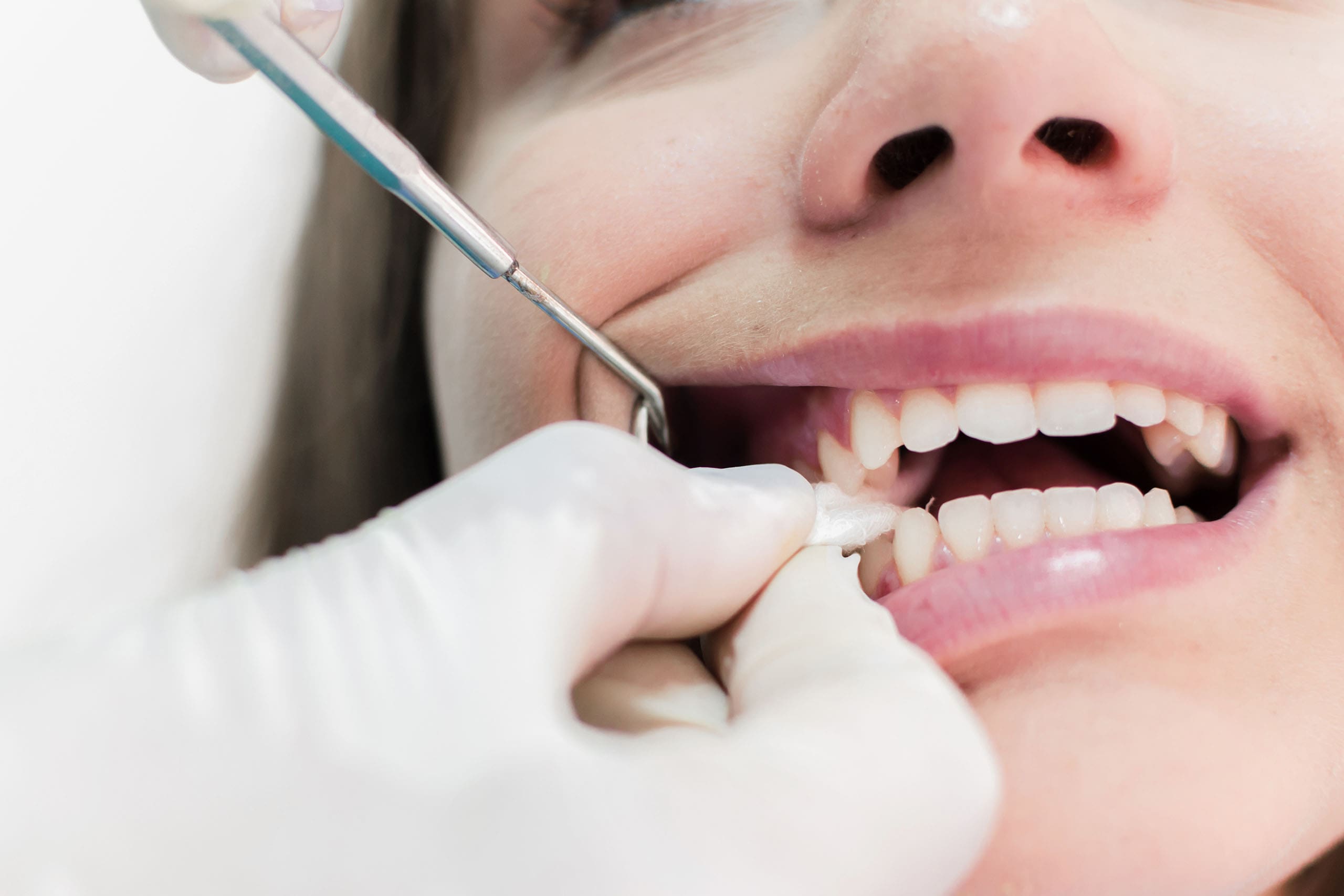
During a professional cleaning, a dental hygienist uses specialized instruments to carefully remove plaque and tartar from the teeth and around the gumline. The teeth are then polished to remove some surface stains and leave them feeling smoother.
At Deaton Dental Associates and Flowertown Dentistry, we offer gluten-free and fluoride-free prophy paste, including Wonderful™ Prophy Paste. Depending on individual needs and preferences, fluoride varnish or a fluoride-free nano-hydroxyapatite varnish may also be applied.
If buildup extends below the gumline, a deeper cleaning known as scaling and root planing may be recommended.
Schedule a Professional Teeth Cleaning in Summerville
If you notice hardened buildup, bleeding gums or a rough feeling along your teeth, schedule an appointment to have the buildup removed safely and support your oral health.
To book an appointment at Deaton Dental Associates, call (843) 873-3706 or visit us at 209 W 5th N St, Summerville, SC 29483.
To book an appointment at Flowertown Dentistry, call (843) 871-0814 or visit us at 445 North Cedar St, Summerville, SC 29483.
FAQ
What is worse, plaque or tartar?
Tartar is more difficult to manage because it cannot be removed through regular brushing and flossing. However, both can affect oral health. Plaque contributes to cavities and gum irritation, while tartar creates a rough surface where more plaque can collect.
Can I scrape tartar off my own teeth?
No, scraping the teeth with household tools or at-home dental instruments can damage the enamel or injure the gums. Tartar should be removed by a dental professional using instruments designed for this purpose.
Can a Waterpik remove tartar?
A Waterpik can help remove plaque and food debris from between the teeth and around the gumline. It cannot remove tartar that has already hardened, but regular use may help reduce the plaque that eventually turns into tartar.
Is it okay if tartar falls off?
A piece of tartar may occasionally break away, but this does not mean all the buildup is gone. What appears to be tartar could also be part of a filling or tooth. Schedule an examination to have the area checked rather than attempting to remove more yourself.