
Reviewed by Dr. Tiffany Deaton
|
Reading time: three minutes
Bleeding gums are often one of the first signs that something may be affecting your oral health. Paying attention to changes in your gums can help you identify potential issues early and seek care when needed.
With two convenient locations in Summerville, Deaton Dental Associates and Flowertown Dentistry provide comprehensive dental care for patients of all ages.
Table of Contents
Why Do My Gums Bleed When I Brush My Teeth?
Bleeding gums can happen for a variety of reasons, ranging from minor irritation to signs of developing gum disease.
While occasional bleeding may occur after brushing too aggressively or restarting a flossing routine, persistent bleeding is often an indication that your gums are inflamed and need attention.
What Bleeding Gums May Indicate
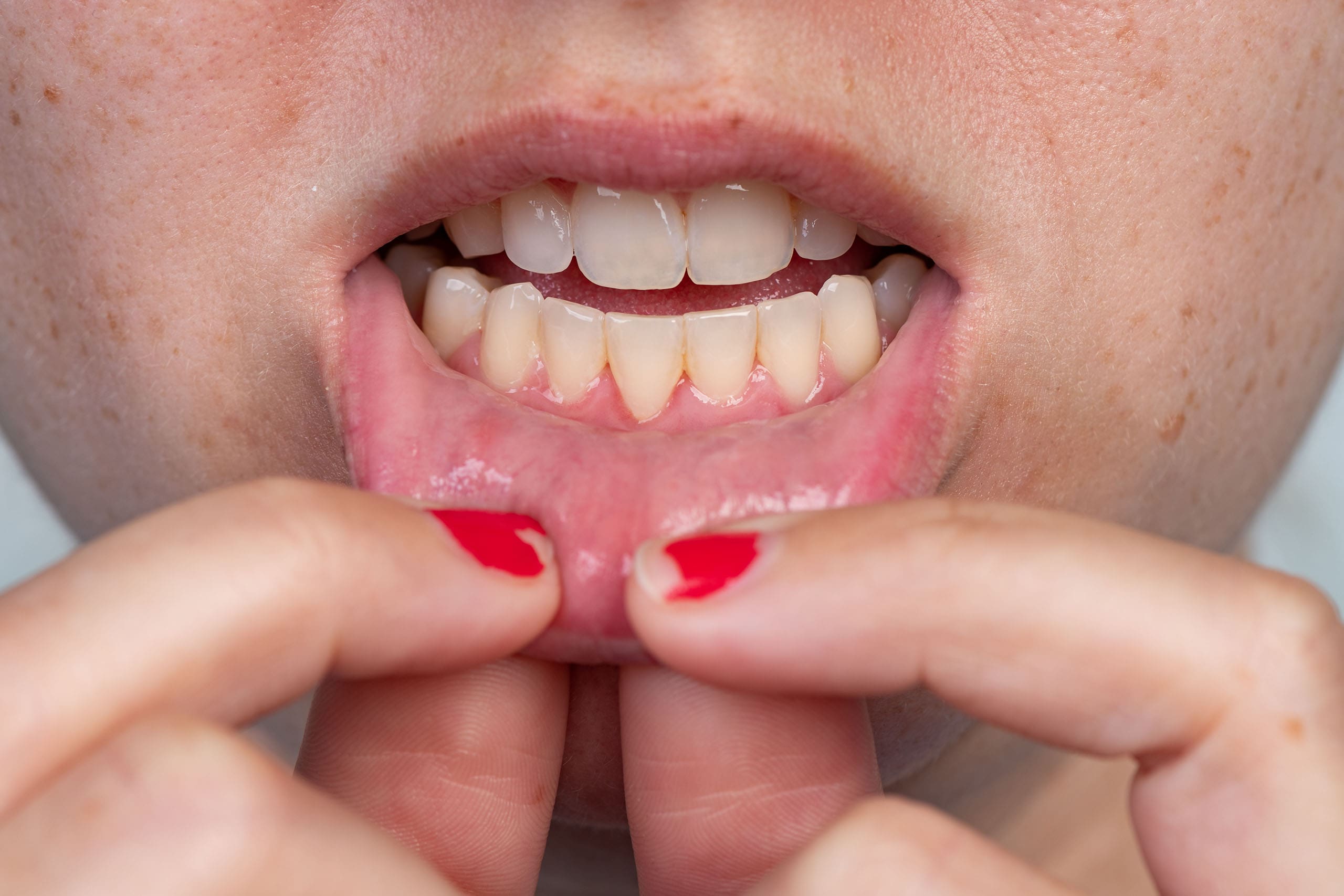
Bleeding gums are often a sign that the gum tissue is irritated or inflamed. While the cause may be something minor, persistent bleeding should not be considered normal and may indicate an underlying oral health problem.
1. Gingivitis
Gingivitis is the most common cause of bleeding gums. Symptoms often include:
- Redness
- Swelling
- Bleeding when brushing or flossing
Without treatment, gingivitis can progress to more advanced gum disease.
2. Brushing Too Hard
Using a hard-bristled toothbrush or applying too much pressure can irritate gum tissue. A soft-bristled toothbrush and gentle brushing technique are typically recommended.
3. Inconsistent Flossing
Gums may bleed when you begin flossing after a period of inconsistency. Regular daily flossing helps remove plaque between teeth and can improve gum health over time.
4. Periodontal Disease
Periodontal disease is a more advanced form of gum disease that affects the tissues and bone supporting the teeth. Additional symptoms may include persistent bad breath, gum recession, loose teeth, and tooth sensitivity.
5. Other Factors
Bleeding gums may also be linked to:
- Hormonal changes during pregnancy
- Certain medications
- Tobacco use
- Dry mouth
- Health conditions that affect healing and inflammation
How To Stop Bleeding Gums
The best way to reduce bleeding gums depends on the underlying cause. In many cases, improving daily oral hygiene and addressing plaque buildup can help reduce inflammation and support healthier gum tissue.
To help improve gum health:
- Brush twice daily with a soft-bristled toothbrush
- Floss every day
- Schedule regular dental cleanings and exams
- Use recommended antimicrobial rinses if advised by your dentist
- Avoid tobacco products
- Stay hydrated and maintain a balanced diet
If bleeding continues despite good oral hygiene, a dental evaluation can help identify whether gum disease or another condition is contributing to your symptoms.
When Should You See a Dentist for Bleeding Gums?
While occasional irritation can happen, ongoing bleeding should not be ignored. Prompt treatment can help prevent gum disease from progressing and protect your long-term oral health.
Schedule a dental exam if you experience:
- Bleeding that lasts longer than one or two weeks
- Swollen, tender, or painful gums
- Persistent bad breath
- Gum recession
- Loose teeth
- Bleeding that occurs without brushing or flossing
Supporting Healthy Gums Through Preventive Care
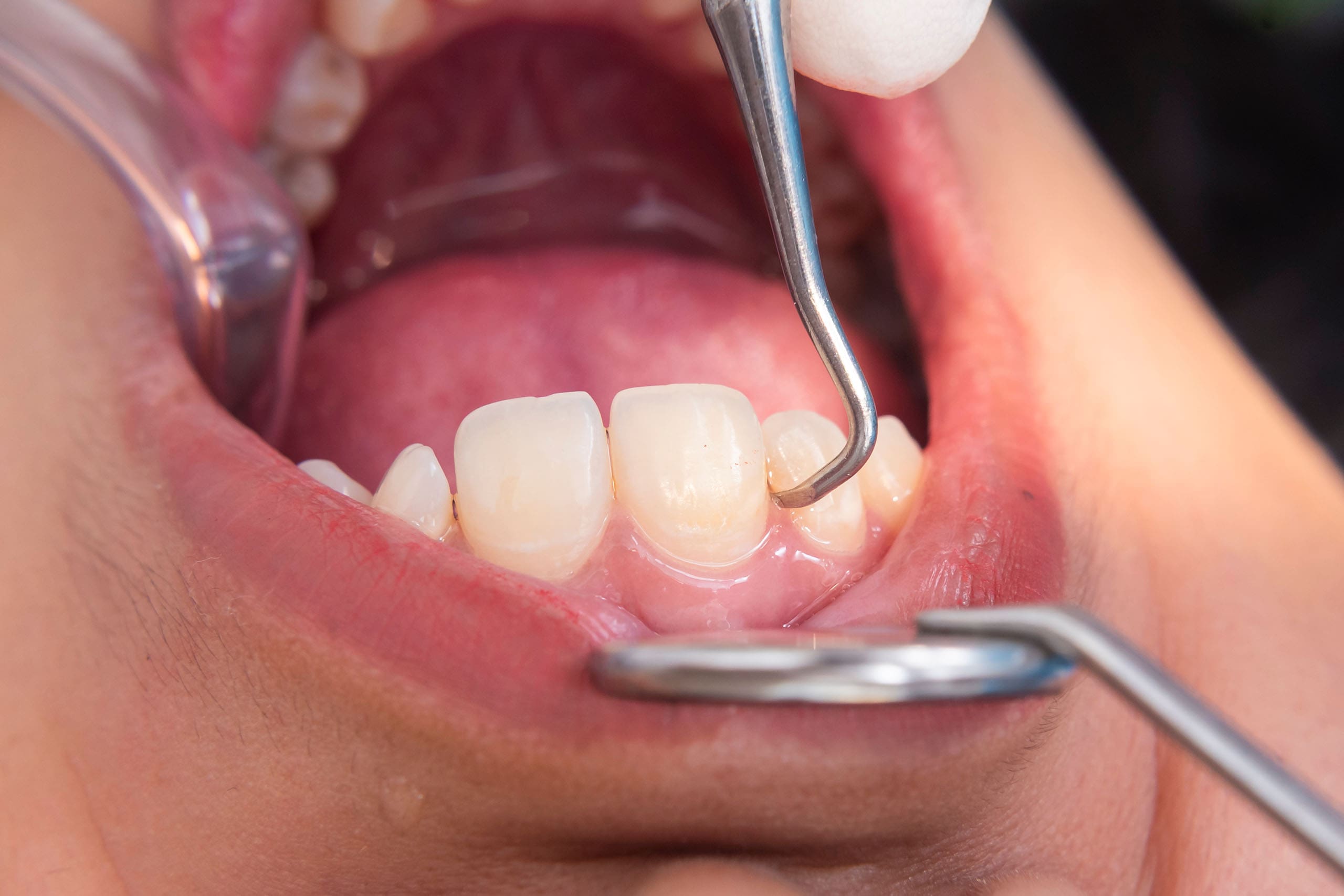
Bleeding gums are often one of the earliest signs of gingivitis or periodontal disease. Regular dental exams and professional cleanings help identify inflammation early and may prevent more serious gum problems from developing.
Drs. Rhett Deaton and Tiffany Deaton provide preventive dental care, periodontal evaluations, and scaling and root planing when needed to help manage gum disease and improve gum health.
By identifying concerns early and recommending appropriate treatment, they help patients maintain healthier gums and reduce the risk of long-term damage to the supporting tissues around the teeth.
Schedule an Evaluation in Summerville, SC
To book an appointment at Deaton Dental Associates, call (843) 873-3706 or visit us at 209 W 5th N St, Summerville, SC 29483.
To book an appointment at Flowertown Dentistry, call (843) 871-0814 or visit us at 445 North Cedar St, Summerville, SC 29483.
FAQ
Can bleeding gums go away on their own?
Minor irritation may resolve on its own, but persistent bleeding often indicates inflammation that should be evaluated by a dentist.
Is it normal for my gums to bleed after flossing?
If you have not flossed regularly, temporary bleeding can occur when you restart. Consistent flossing typically helps reduce bleeding over time.
Should I stop brushing if my gums are bleeding?
No, continue brushing gently and maintaining good oral hygiene. Stopping can allow plaque to build up and worsen gum inflammation.
Can a dental cleaning help stop bleeding gums?
Professional cleanings remove plaque and tartar that contribute to gum irritation and bleeding.