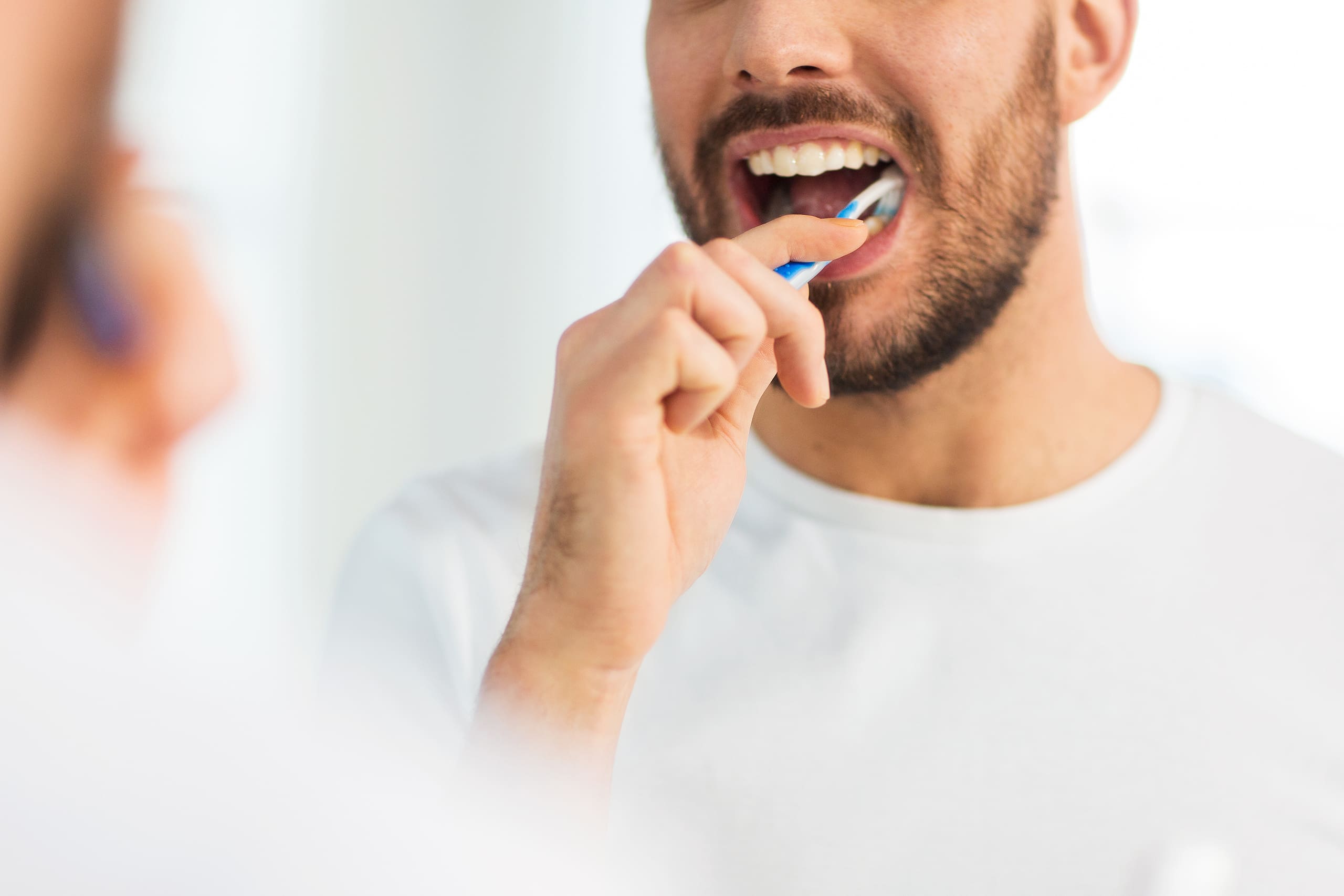


You can remove plaque at home by brushing and cleaning between your teeth every day. This soft, sticky film of bacteria forms on teeth and can harden into tartar if it is left behind. Once that happens, you need a professional cleaning to remove it.
With two convenient locations in Summerville, Deaton Dental Associates and Flowertown Dentistry provide comprehensive dental care for patients of all ages.
Table of Contents
How to Remove Plaque From Teeth
You don’t need special products or complicated techniques to remove plaque at home. What makes the biggest difference is how you brush and floss, making sure you’re cleaning your teeth thoroughly without using too much pressure.
Here’s how to remove plaque more effectively:
- Brush twice a day for two minutes. Use a soft-bristled toothbrush and fluoride toothpaste. Clean the front, back, and chewing surfaces of every tooth, paying particular attention to the gumline.
- Angle your toothbrush toward your gums. Hold a manual toothbrush at approximately 45 degrees to the gumline and use gentle, short strokes to loosen plaque without irritating your gums.
- Floss once a day. Gently slide the floss between your teeth, curve it into a C shape around each tooth, and move it up and down to remove plaque from the sides of your teeth and just beneath the gumline.
- Use interdental brushes when appropriate. These small brushes can help remove plaque from larger spaces between teeth and around dental bridges or orthodontic appliances. Your dental hygienist can help you choose the right size.
- Consider a water flosser as an additional tool. Water flossers can help flush away food debris and reduce gum inflammation, particularly around braces and dental restorations. However, they should not automatically replace traditional floss or interdental brushes for removing plaque.
Even with excellent brushing and flossing, some plaque can remain in hard-to-reach areas. Regular professional cleanings help remove deposits that have hardened into tartar and allow your dental team to identify areas that need more attention.
How to Remove Tartar From Teeth
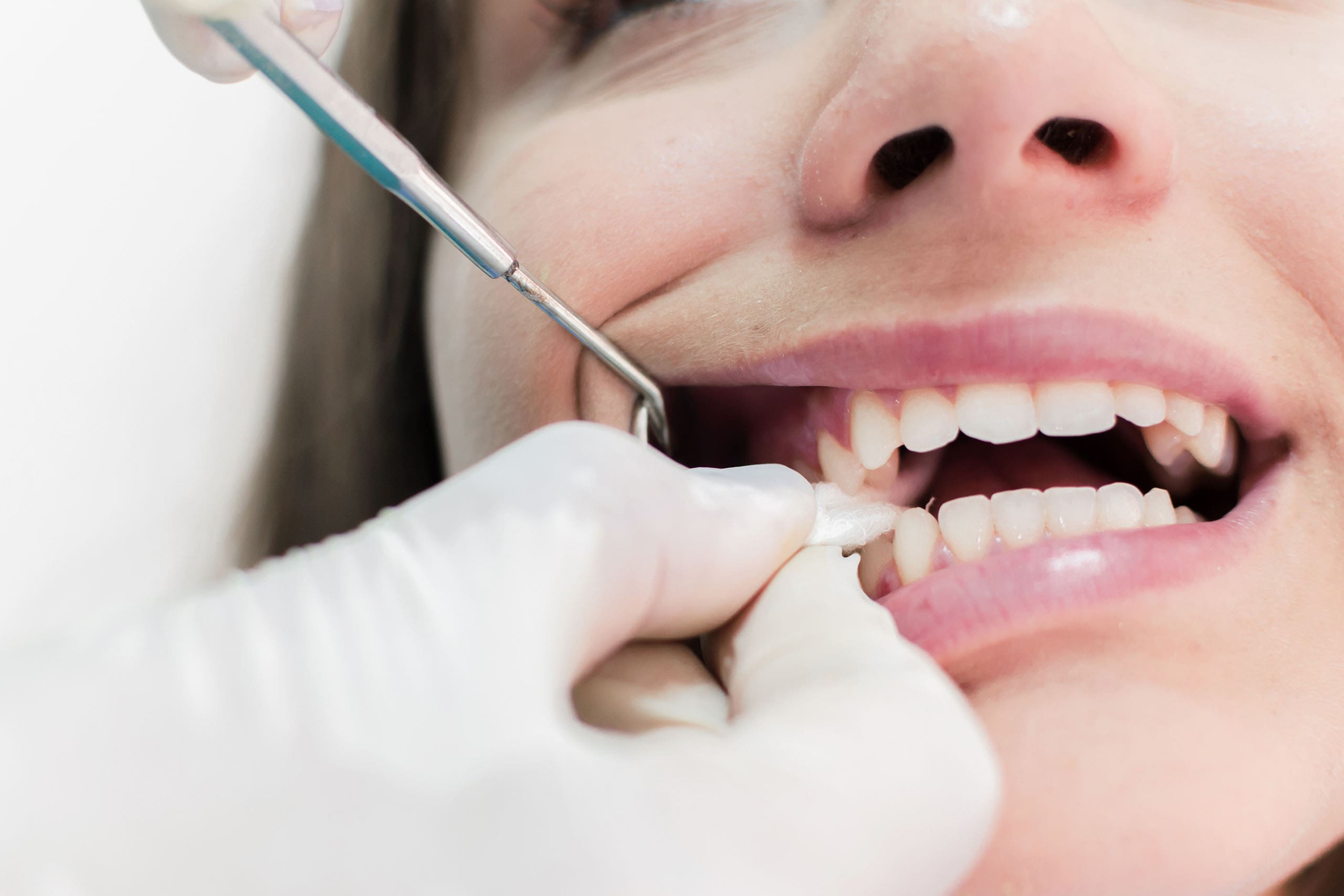
Tartar needs to be removed by a dentist or dental hygienist using professional scaling instruments. These hardened deposits attach firmly to teeth and can form above or below the gumline. Tartar may look yellow or brown and feel rough, but buildup beneath the gums may not be visible.
Book a dental exam if you notice:
- Hard deposits near the gumline
- Gums that bleed, swell or feel tender
- Bad breath that continues despite daily cleaning
- Gums that pull away from your teeth
At your exam, Dr. Rhett Deaton or Dr. Tiffany Deaton will check your teeth and gums and recommend the care you need. Gum disease with deeper pockets may require scaling and root planing to clean beneath the gums and along the tooth roots. We may also recommend more frequent teeth cleanings to manage recurring tartar or monitor gum disease.
Why Tartar Removal Is Best Left to Dental Professionals
Dental scaling tools, including ultrasonic devices that vibrate thousands of times per second, are now widely available for purchase online. While these instruments may look easy to use, safely removing tartar requires more than the right equipment.
Dentists and dental hygienists are trained to identify tartar deposits and use scaling instruments at the correct angle, pressure, and position. Improper use can damage tooth surfaces, injure gum tissue, or leave deposits behind, particularly in areas beneath the gumline.
Professional dental cleanings also allow us to assess your gum health and remove buildup from areas that are difficult to see or reach yourself. If you notice hard deposits on your teeth, our team can evaluate them and recommend the appropriate cleaning.
FAQ
Does mouthwash remove plaque?
Mouthwash cannot remove plaque that has already built up on your teeth. Some antibacterial mouthwashes can help control plaque-forming bacteria and reduce new plaque buildup, but brushing and flossing are still necessary to physically remove plaque from tooth surfaces.
Do I need an electric toothbrush?
An electric toothbrush can make plaque removal easier and more effective. Research suggests that electric toothbrushes, particularly those with oscillating or rotating heads, can remove slightly more plaque than manual toothbrushes. However, a manual toothbrush can still do an excellent job when used with proper brushing technique.
How can I tell where I missed plaque?
Plaque-disclosing tablets temporarily color plaque left behind after brushing. The highlighted areas show where you need to brush more thoroughly and can help you spot places you regularly miss.
Schedule a Dental Exam and Cleaning
If you keep noticing buildup despite regular brushing and flossing, our team can check those areas and suggest ways to make your home routine more effective. Book a visit at Flowertown Dentistry or Deaton Dental Associates.