
Reviewed by Dr. Tiffany Deaton
|
Reading time: three minutes
Tooth sensitivity happens when the protective outer layer of the tooth wears down or the gums pull away, exposing the softer layer underneath called dentin. Dentin contains tiny pathways that connect to the tooth’s nerves, which can cause sharp pain or discomfort when eating or drinking something cold, hot, sweet, or acidic.
With two convenient locations in Summerville, Deaton Dental Associates and Flowertown Dentistry provide comprehensive dental care for patients of all ages.
Table of Contents
The Most Common Causes of Tooth Sensitivity
Sensitivity usually develops when the inner layer of the tooth becomes exposed or irritated. This can happen gradually over time or appear suddenly after damage or dental treatment.
Common causes of sensitivity include:
- Aggressive brushing: Brushing too hard or using a hard-bristled toothbrush can wear down enamel and irritate the gumline.
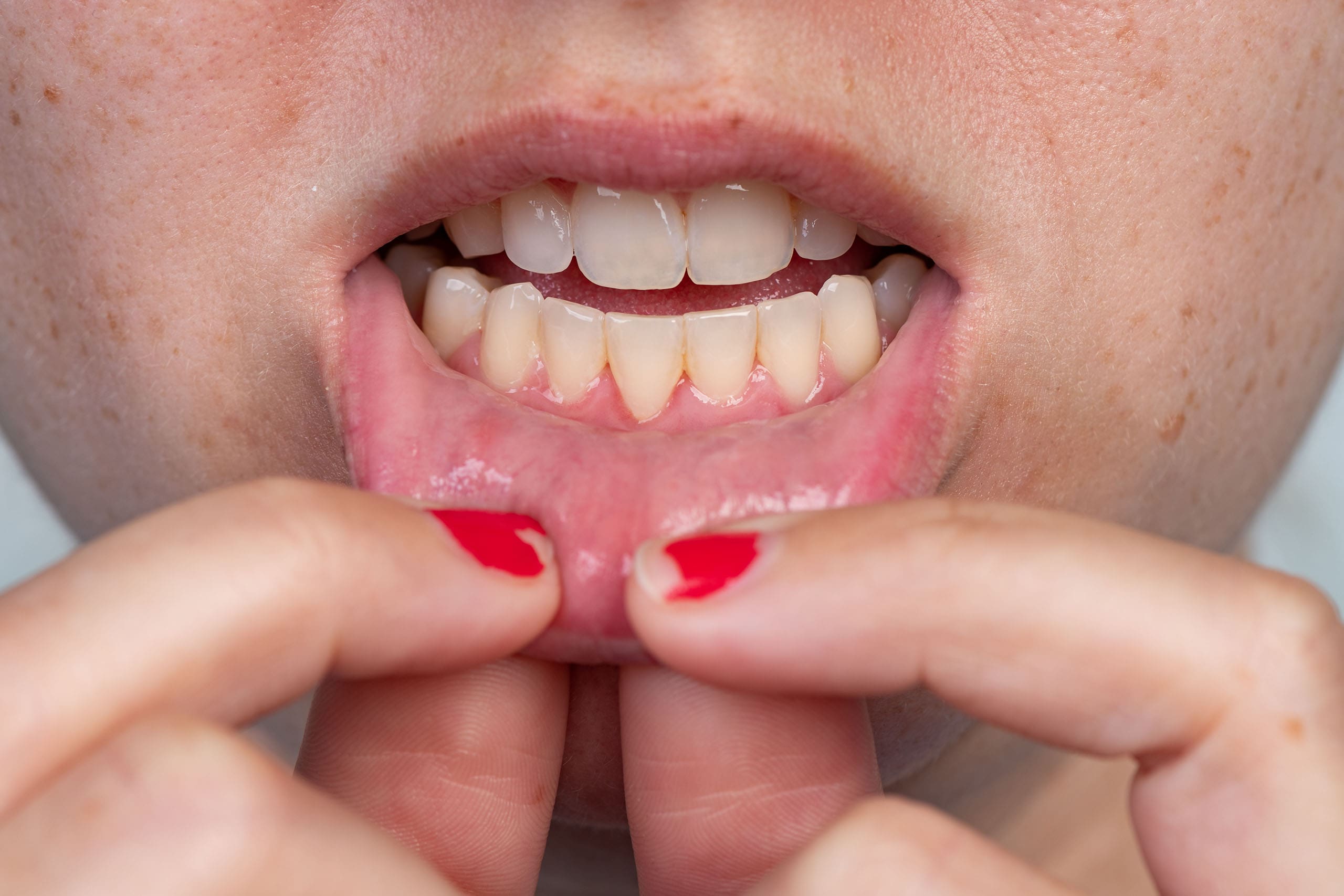
- Gum recession: Receding gums can expose the root surface, which is more sensitive than enamel-covered tooth structure.
- Enamel erosion: Acidic foods, drinks, teeth grinding, or aggressive brushing can wear down enamel and make teeth more sensitive.
- Cavities: Tooth decay can weaken enamel and allow cold to reach deeper layers of the tooth.
- Damaged fillings: Loose or broken fillings may leave part of the tooth exposed and vulnerable to sensitivity.
- Cracked teeth: Small cracks can allow cold to irritate the nerve inside the tooth.
- Recent dental work: Fillings, crowns, teeth whitening, or professional cleanings can cause temporary sensitivity that usually improves with time.
How To Relieve Sensitive Teeth
Small changes may help relieve mild sensitivity, but ongoing symptoms should be checked by a dentist.
Ways to reduce sensitivity include:
- Use desensitizing toothpaste: This can help block pain signals from the tooth surface to the nerve. It may take several days of consistent use to notice improvement.
- Use a soft-bristled toothbrush: Gentle brushing helps protect enamel and the gumline.
- Limit highly acidic foods and drinks: Acid can weaken enamel over time. Rinse with water afterward to help protect your teeth.
- Wear a mouthguard: A custom mouthguard can reduce pressure and protect your teeth from grinding while you sleep.
If sensitivity lasts more than a few days, feels severe, or lingers after cold is removed, schedule a dental exam. Persistent sensitivity may point to decay, a crack, gum disease, or another issue.
Personalized Care for Sensitive Teeth
Tooth sensitivity can have several underlying causes, and identifying the source is important for choosing the right treatment.
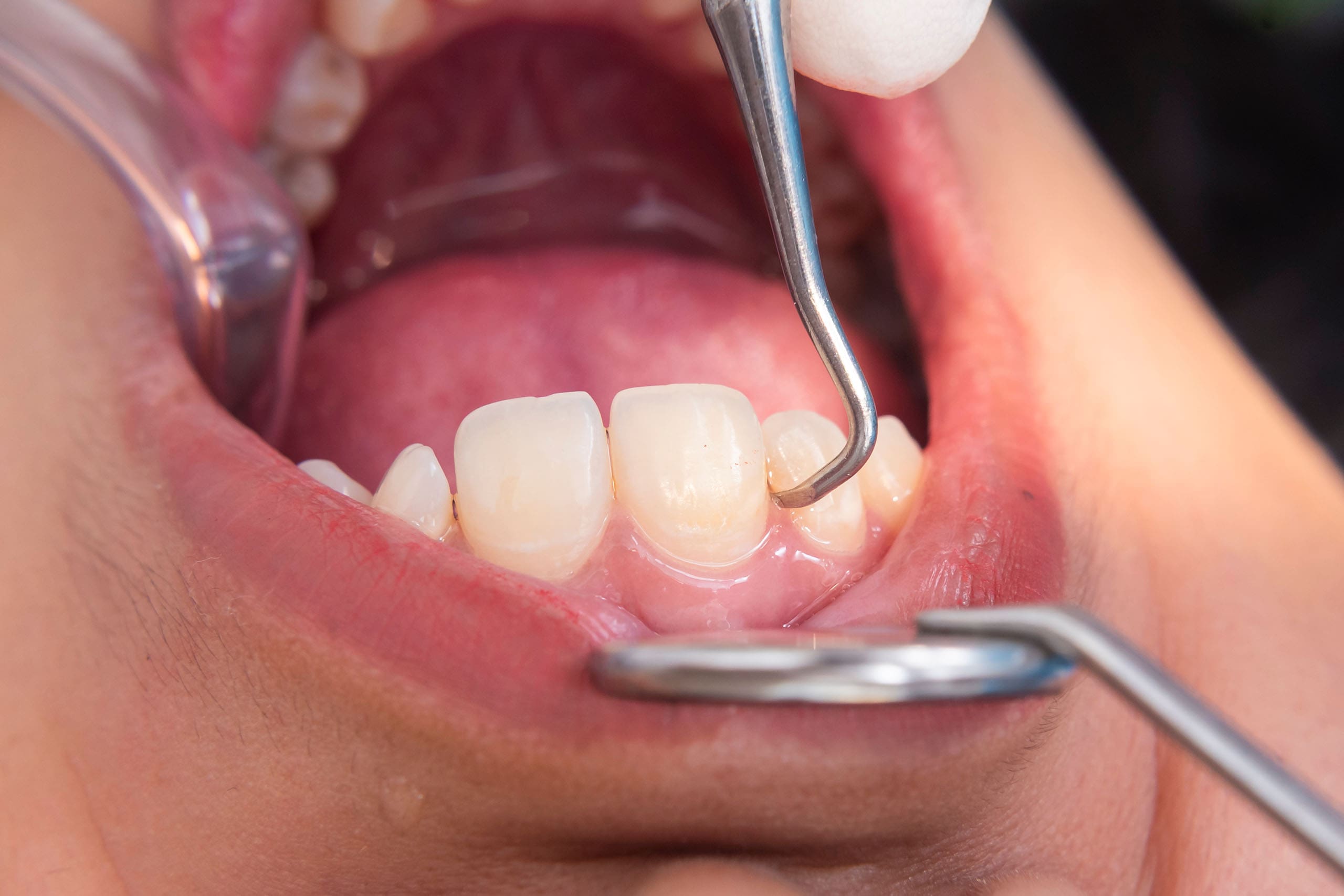
At Deaton Dental Associates and Flowertown Dentistry, Dr. Rhett Deaton and Dr. Tiffany Deaton evaluate sensitivity using digital X-rays, intraoral imaging, and comprehensive exams to look for signs of enamel wear, gum recession, tooth damage, and other contributing factors.
Both Summerville locations focus on personalized care and prevention-focused treatment planning to support long-term oral health.
Dentist in Summerville, SC
To book an appointment at Deaton Dental Associates, call (843) 873-3706 or visit us at 209 W 5th N St, Summerville, SC 29483.
To book an appointment at Flowertown Dentistry, call (843) 871-0814 or visit us at 445 North Cedar St, Summerville, SC 29483.
FAQs
Why is my tooth sensitive to cold?
Cold sensitivity often develops when the protective enamel wears down or the tooth root becomes exposed. Common causes include gum recession, cavities, cracked teeth, teeth grinding, and enamel erosion.
Why are my teeth sensitive all of a sudden?
Sudden tooth sensitivity may be caused by enamel erosion, gum recession, a cracked tooth, teeth grinding, or a developing cavity. Recent dental treatment may also cause temporary sensitivity.
How do I fix tooth sensitivity?
Treatment depends on the cause. Dentists may recommend desensitizing toothpaste, fluoride treatment, a nightguard, replacing damaged fillings, or treating cavities or gum disease.
How long after a filling are teeth sensitive?
Mild sensitivity after a filling is common and usually improves within a few days to a couple of weeks. If pain becomes severe or does not improve, contact your dentist for evaluation.
Can sensitive teeth go away on their own?
Mild sensitivity may improve with desensitizing toothpaste, gentler brushing, or avoiding acidic foods and drinks. However, persistent or worsening sensitivity should be evaluated by a dentist to rule out cavities, cracks, gum disease, or enamel damage.